
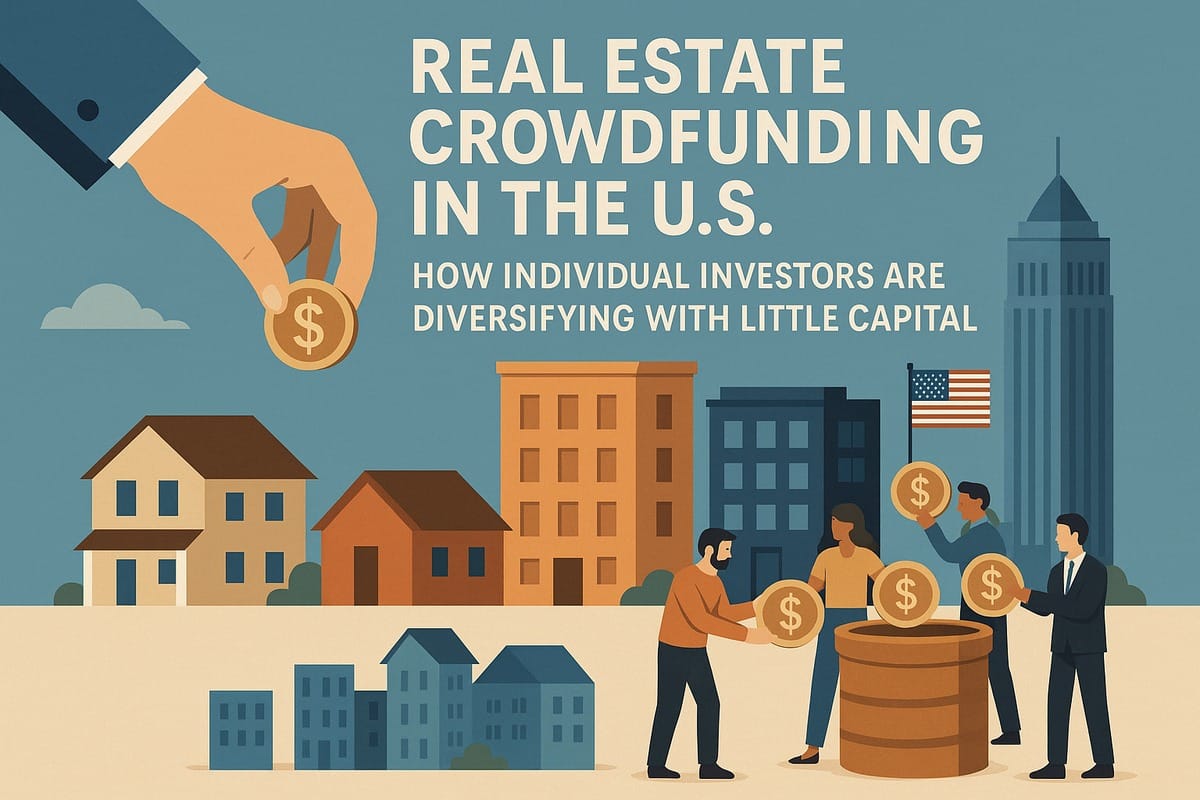
Real estate crowdfunding in the U.S. has revolutionized investments, allowing individual investors to explore new opportunities with minimal capital. This innovative approach is breaking down traditional barriers, giving everyday people the chance to dive into the real estate market’s lucrative possibilities.
It opens doors for financial growth that were previously accessible only to those with significant resources, democratizing real estate ownership and creating a more inclusive investment environment. By lowering entry barriers and improving liquidity, it also empowers a broader range of investors to participate with flexibility and confidence.
How crowdfunding works in real estate
Crowdfunding in property investment involves pooling resources from a group of individuals to fund real estate ventures. These projects can range from residential developments to commercial properties. Platforms that offer this kind of fundraising have blossomed, facilitating connections between developers and potential investors.
The beauty of crowdfunding in property investment is that it significantly lowers the entry barrier. With some platforms allowing contributions starting at just $500, it enables diverse participation. This model is changing the landscape, allowing investors to partake in projects they otherwise wouldn’t be able to afford.
Benefits of real estate crowdfunding
The advantages of this fundraising method are numerous. First, it allows for geographic diversification that traditional investments might lack. Investors can stake a claim in different markets nationwide, thereby spreading their risk and capitalizing on regional market strengths.
Another benefit is the potential for higher returns compared to more conventional investment avenues. Real estate has historically offered competitive yields, and crowdfunding allows participants to access these opportunities without extensive resources.
Navigating the future of real estate crowdfunding
As the landscape of property investment continues to evolve, crowdfunding stands out as an innovative and accessible option for investors at all levels. While traditionally investors might have struggled with the hefty capital requirements in real estate, crowdfunding democratizes access, making it a feasible option even for those with limited funds.
However, as with any investment, it’s critical to conduct thorough due diligence. Understanding the intricacies of each opportunity helps in making informed decisions that align with personal financial goals. As more platforms emerge and competition increases, better opportunities are likely to come to the forefront, further empowering individuals to diversify their investments with little capital.
👉 Also read: AI and clean energy thematic ETFs: is it worth adding them to your portfolio in 2025?