
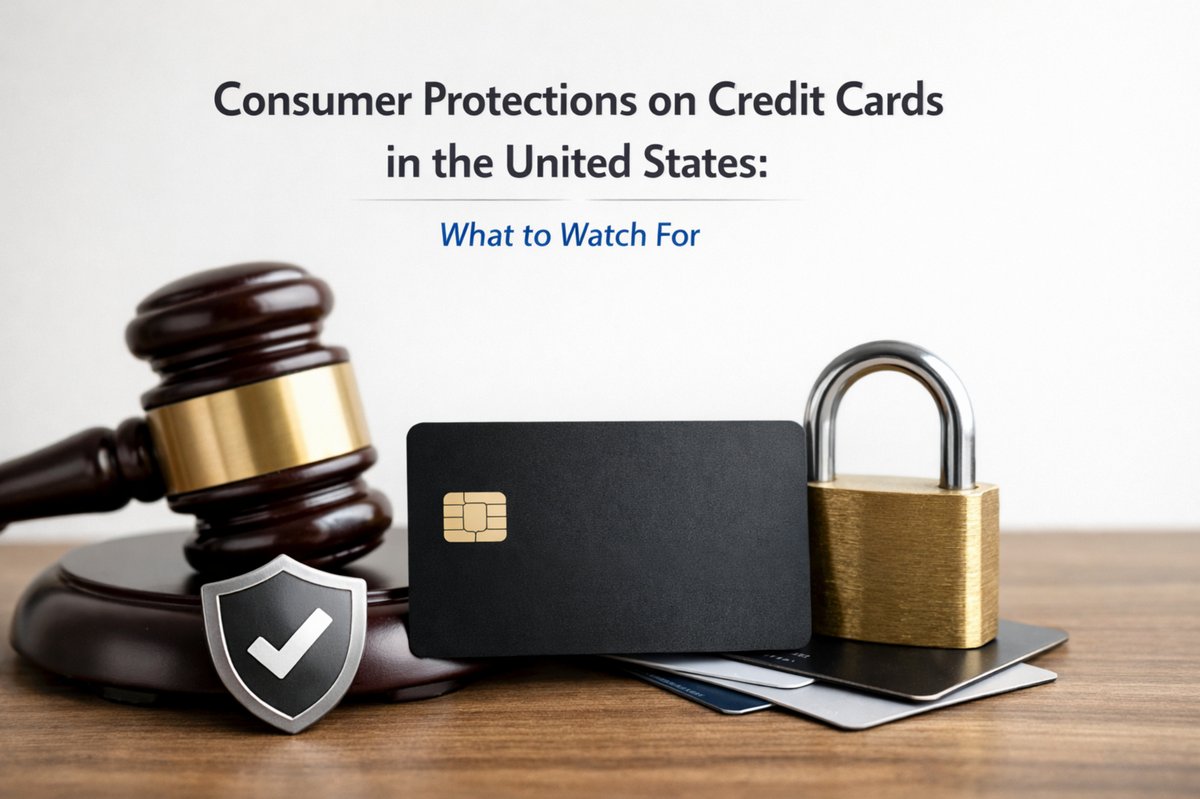
Consumer protections on credit cards in the United States play a crucial role in ensuring transparency, security, and fairness in financial transactions. These safeguards help individuals feel more confident when using credit, especially in a system where cards are widely used for everyday purchases. Understanding these protections is an important step toward safer and more informed financial decisions.
From fraud prevention to dispute resolution, credit card regulations are designed to balance convenience with accountability. Legal frameworks and security measures work together to limit consumer liability and promote responsible use. By knowing what to watch for, cardholders can better protect their rights and navigate the credit system with greater confidence.
The role of federal laws in safeguarding consumers
When using a credit card, consumers enjoy a variety of protections. These safeguards, designed to shield consumers from potential pitfalls, are often codified in federal laws. The Credit CARD Act, for instance, plays a significant role in outlining rights and responsibilities. This act mandates clear disclosures and ensures fair interest rates, protecting users from unexpected hikes and unfair practices.
Another significant component is the Truth in Lending Act (TILA). This legislation mandates transparent disclosure of rates, fees, and terms associated with borrowing. By requiring credit card providers to share this information, the TILA ensures that consumers can make informed decisions.
Identifying common pitfalls and how to avoid them
Even with existing protections, pitfalls remain prevalent. Late fees and interest rate increases are common issues that trap many users. Staying vigilant about due dates and understanding the potential for rate changes is essential. Set reminders or automate payments to sidestep late fees, a simple yet effective strategy.
It’s also vital to monitor statements regularly for unauthorized charges. The Fair Credit Billing Act (FCBA) provides a framework for disputing incorrect or fraudulent transactions. Should an issue arise, being familiar with the steps for addressing disputes can save both time and money. Promptly reporting discrepancies increases the likelihood of resolution in your favor.
The importance of ongoing awareness and education
Continual awareness and education form the bedrock of effective credit card management. Recognizing the significance of staying informed about regulatory updates and best practices is essential for maximizing benefits. Financial literacy empowers users to harness protections efficiently and make sound decisions, bolstering overall financial well-being.
In summary, understanding consumer protections related to credit cards involves more than mere awareness—it necessitates active engagement and a commitment to ongoing education. By comprehensively understanding these protections and remaining vigilant, consumers not only safeguard their financial health but also foster greater control over their financial journey.
👉 Also read: Premium Credit Cards Focused on Exclusive Experiences: When High Annual Fees Really Pay Off in the U.S.